If you've ever stepped into a local nursery, browsed garden social media feeds, or chatted with a fellow gardener at a community plot, you know flower seedlings are far more than just small plants waiting to grow. For us, as a flower seedlings supplier, the ones flying off our shelves and filling our shipping boxes each month tell a quiet story of what gardeners really want right now. It's not just about pretty blooms-it's about hardiness, ease of care, versatility, and that little extra magic that makes a garden feel like an extension of home. Over the past three years, we've tracked every order, every follow-up note, and every customer request, and today I'm breaking down the most popular flower seedlings that keep coming back, plus why they matter to both casual planters and seasoned landscape designers.
Let's start with a group that never goes out of style: peony seedlings. I'll be honest, I didn't expect them to take off the way they did a couple years back, but once word spread about how long they last and how little work they need, they became our top sellers by a mile. Peonies have this timeless charm-they bloom in late spring, when the weather's mild and gardens feel like they're waking up for the season, and their large, ruffled flowers feel like a celebration. The most sought-after ones? First, the tree peonies, specifically the Purple Large Flowered Peony that's been a customer favorite for border plantings and cut flower arrangements. Gardeners love that this one grows into a woody shrub over time, so it gets even more blooms year after year, and the deep purple petals add a rich, dramatic pop against green foliage or light-colored neighbors. It's hardy enough for zones 3 to 8, too, which means it works in most of the U.S.-no fancy climate tweaks needed.
Another peony that's blown up is the Black Peony Seedlings. Now, I know what you're thinking-"black flowers?" They're more of a deep, velvety maroon that looks almost black in low light, and they're perfect for adding contrast to gardens that lean lighter or pastel. We've had landscape designers use them in mixed perennial beds to anchor the space, and cut flower customers swear by them for creating moody, elegant arrangements. Unlike some fancy flowering plants, peonies don't need constant staking or pruning-just well-drained soil and a spot with full sun, and they'll thrive for decades. That low-maintenance appeal is a big reason peonies stay popular, but we've also noticed a trend toward herbaceous peonies, especially the European Peony Seedlings. European peonies bloom a bit earlier than their Asian counterparts, and their flowers are a bit more open, which makes them great for attracting bees and butterflies. Gardeners who want to support pollinators without sacrificing beauty love these, and they pair perfectly with the other peonies we offer.
Moving beyond peonies, there's a seedling that's gained a cult following for its unexpected color and ability to bloom when most other plants are winding down: Wintersweet. I'll admit, when we first started carrying Wintersweet Flower Seedlings, I was a little worried they'd be too niche. But then a customer from Vermont ordered a dozen, and sent us a photo last January showing yellow, fragrant blooms pushing through snow. That's when it clicked-wintersweet isn't just for warm climates. It's a deciduous shrub that blooms in mid-winter, when most gardens are bare, and its flowers have a sweet, honey-like scent that fills the air. It's slow-growing, which means it doesn't take over small yards, and it's perfect for planting near a patio or window so you can enjoy the fragrance even when it's cold outside. We've since expanded our Wintersweet stock, and they now go to everything from suburban gardeners looking for winter interest to urban green spaces needing year-round appeal.
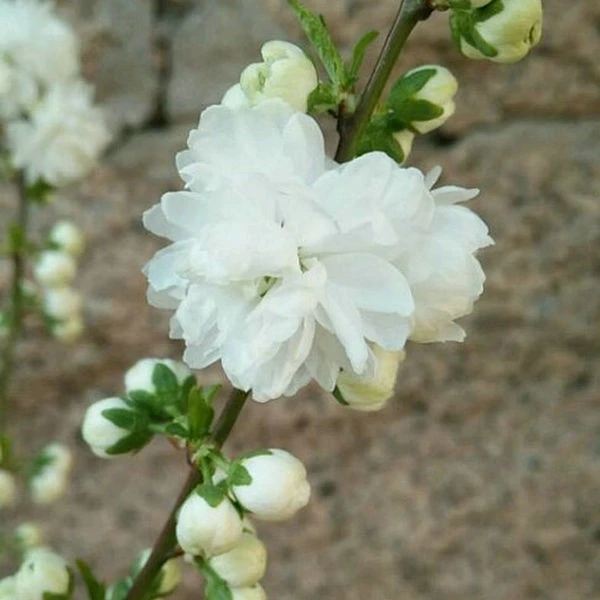
Now, you might be wondering why a flower seedlings supplier is talking about peach seedlings. But hear me out-peach trees aren't just for fruit. The Peach Seedlings we offer are dwarf varieties, so they fit in small yards, patio containers, or even as a focal point in a mixed border. In spring, they produce masses of pale pink, delicate flowers that look almost like cherry blossoms, minus the messy fruit drop if you pick a variety that doesn't set heavy fruit. Then, in summer, you get juicy peaches if you want them, but even if you don't, the tree's vibrant fall foliage adds another layer of color. We've had a lot of first-time gardeners buy peach seedlings because they feel like they're getting two plants in one-flowers in spring and fruit in summer. Plus, they're pretty hardy, adaptable to different soil types, and don't require a ton of pruning to produce blooms. That dual purpose makes them a hit with anyone who wants a garden that works as hard as they do.
Wait, but what about other popular flower seedlings that didn't make our top four? We do steady business with coneflowers and black-eyed Susans-they're native, pollinator-friendly, and super easy to grow-but they're more of a "bread and butter" item for us, the ones that keep the nursery running, not the ones that spark customer stories. What's interesting is how these top seedlings aren't just popular for their looks. Let's break down why each one resonates so much right now:
First, people want plants that are resilient. Whether you're a new gardener who forgets to water for a week or someone dealing with fluctuating temperatures, no one wants to replace a seedling every year. Peonies, wintersweet, and dwarf peach trees are all tough, adaptable, and don't require fussy care. That's a big shift from a few years ago when we saw more interest in high-maintenance tropical plants that needed greenhouses or constant attention. Now, gardeners want plants that can handle real-world conditions.
Second, versatility is key. The Purple Large Flowered Peony works as a border, a cut flower, or a focal point. Wintersweet works in a small yard or a large landscape. Peach seedlings work in the ground or in a pot. People don't want to invest in a plant that only serves one purpose-they want something that does multiple things, so they get the most out of their garden space.
Third, season-long interest is non-negotiable. Gone are the days when a garden only had to look good in summer. Now, gardeners want color and blooms from winter through fall. Wintersweet solves the winter gap, peonies bloom in late spring, peach flowers add spring color, and peach foliage takes over in fall. That means even when it's cold or cloudy, there's something to see.
We also keep a close eye on what our customers are telling us, and lately, there's been a push for heirloom varieties. The European Peony Seedlings, for example, are a classic heirloom that's been grown in gardens for centuries, and gardeners love knowing they're adding a piece of gardening history to their yards. Even the Black Peony is an heirloom hybrid that's been around since the 1800s, so it has that timeless feel that modern hybrids sometimes lack.
If you're thinking about adding any of these seedlings to your garden, a few tips from our years of experience: Peonies need to be planted in full sun (at least 6 hours a day) and spaced at least 3 feet apart so they have room to grow. Wintersweet does best in well-drained soil and a spot that gets a little shelter from harsh winter winds, though it can handle cold temperatures down to zone 4. Peach seedlings need full sun too, and if you're growing them in a container, make sure it's at least 18 inches wide to give the roots room. And all of these seedlings benefit from a light layer of mulch in the fall to protect their roots over winter.
As a flower seedlings supplier, our job isn't just to send plants out the door-it's to help gardeners find the right ones for their space and their needs. The popularity of these five seedlings shows that gardening is changing, but the core desire remains the same: to grow something that brings joy, that's easy to care for, and that fits into our lives. Whether you're a seasoned gardener looking to add a new peony variety, a homeowner wanting a tree that blooms in winter, or someone who wants flowers and fruit in one plant, these seedlings deliver.
If you're ready to build your garden with these top picks, we're here to help. Our team can answer questions about planting times, care tips, and how many seedlings you might need for your space, whether you're ordering for a small backyard or a large commercial landscape. Reach out to us to start a conversation about what would work best for your gardening goals.