


If you've ever stood in a greenhouse at 7 a.m., the air thick with the smell of damp soil and the soft rustle of seedling leaves, you know that watering isn't just a chore-it's the backbone of growing strong, saleable flower seedlings. For my team and me, suppliers of everything from delicate tree peonies to hardy ornamental saplings, getting this step right makes the difference between seedlings that survive transplant and those that thrive in customer gardens, or even end up as premium cut flowers. Over the past 12 years, we've tinkered with everything from overhead sprinklers to hand-watering, learning that the "best way" isn't one-size-fits-all-it's a balance of science, observation, and the unique needs of each seedling type. Today, I want to break down what we've learned, so fellow growers and our customers alike can get it right.
First, let's start with a non-negotiable: understanding your seedlings' root structure. Newly germinated seedlings (the first two weeks after cotyledons emerge) have roots that are barely a centimeter long, thin as thread, and unable to reach deep moisture. Overwater here is the fastest path to damping-off fungus, that silent killer that turns a tray of promising sprouts into a mushy, rotting mess. Conversely, underwatering wilts those tiny roots permanently, even if you rescue them later. For our Suffruticosa 'Bai Xue Ta' seedlings-white tree peonies that start as particularly delicate, slow-growing sprouts-we use a fine-mist spray system calibrated to deliver 10 milliliters of water per tray, twice a day, at 8 a.m. and 5 p.m. We settled on that schedule after testing: watering in the early morning lets any surface moisture evaporate before greenhouse temperatures climb, while evening watering avoids midday sun that can scorch wet leaves. For faster-growing seedlings, like our Spring Jasmine Flower Seedlings, which develop taproots by week three, we bump to 20 milliliters per tray, still twice daily, because their roots can now reach slightly deeper soil to absorb moisture without staying saturated at the surface.
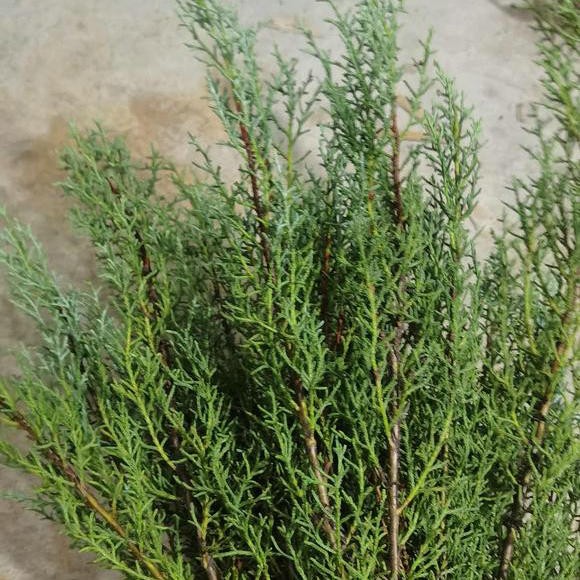
Next, watering method is everything. We've tried three main systems over the years, and each has a place depending on seedling age and variety. Overhead sprinklers are fast, but they're terrible for disease control-water droplets can carry fungal spores from one tray to another, and wet foliage for long periods is a surefire way to trigger mildew on peony seedlings. We only use sprinklers for once-a-week "cleaning" during slow growth periods, to knock off dust without adding excess moisture. For most cases, bottom watering is our gold standard, especially for seedlings in plug trays. We flood the greenhouse benches with 1 to 2 centimeters of water, let the soil wick up moisture through the drainage holes for 15 to 20 minutes, then drain the excess completely. This ensures every seedling gets an even amount of water, no overwatering the tiny surface of the soil, and keeps foliage dry-game-changing for preventing damping-off. We reserve hand-watering for specialty batches, like our Blue Ice Cypress Seedlings, which have slightly thicker leaves that benefit from a light mist to remove dust without drying out too quickly. For peonies destined for cut-flower production, like our Peony Cut Flowers line, we switch to drip irrigation once they're 6 weeks old. Drip lines deliver water directly to the base of the seedling, minimizing any contact with the upper leaves, which reduces the risk of botrytis blight and encourages strong root growth instead of leaf growth.

Timing and frequency are closely tied to greenhouse conditions, not a fixed schedule. A common mistake new growers make is sticking to "water every other day" no matter what, but your greenhouse's temperature, humidity, and air flow change daily, especially with seasons. Last spring, when we had three straight days of cool, overcast weather with 85% humidity, we skipped watering altogether- the soil stayed moist enough for peony seedlings, and adding more would have caused root rot. But when summer hits, with greenhouse temperatures hitting 32°C during the day and humidity dropping to 40%, we adjust our bottom watering to every 12 hours, not 24. We use a simple tool to track moisture: a 2-inch wooden skewer. We stick it into the soil of a random seedling tray, pull it out, and if it's completely dry, it's time to water; if it has just a few small soil clumps, we wait another day. This is far more reliable than any app or timer, because it accounts for variables that automated systems can't. For our Sun And Moon Brocade seedlings, a newer variety that's more sensitive to humidity, we also add a small oscillating fan near the benches during the day to keep air moving-this helps the soil dry evenly, so we don't get a layer of wet soil on the surface while the lower roots are dry.
Water quality is another piece most growers overlook, but it's critical for seedling health. Tap water often has high levels of chlorine, which can kill the beneficial bacteria that help seedlings absorb nutrients, and hard water with high pH can lock out iron, causing yellow leaves. In our greenhouse, we treat all our water with a reverse osmosis system that brings pH down to 6.0 to 6.5, the ideal range for most flower seedlings. We also test the water monthly for EC (electrical conductivity), a measure of dissolved salts that can build up in soil over time. For young seedlings, we keep EC levels between 0.5 and 0.8 mS/cm; older seedlings can handle up to 1.2 mS/cm. When we first started, we didn't test water quality, and our jasmine seedlings grew stunted with pale leaves-once we adjusted the water pH, they perked up in less than two weeks. This is especially important for premium varieties like our tree peonies, which are more sensitive to nutrient imbalances than faster-growing ornamental seedlings.
The final piece is adapting to seedling variety, because not all flower seedlings are created equal. Our tree peony seedlings, including 'Bai Xue Ta' and 'Sun And Moon Brocade', are slow-growing and need consistent, gentle moisture-they hate being waterlogged, but they also hate drying out completely. We adjust our watering by growth stage: when they're still in plug trays (0 to 8 weeks), bottom watering once a day is enough; once we transplant them to larger pots (9 to 20 weeks), we move to drip irrigation every two days, letting the top 1 inch of soil dry out between waterings. Our blue ice cypress and spring jasmine, on the other hand, are more drought-tolerant as seedlings, so we let the top 2 inches of soil dry out between waterings to encourage their roots to grow deeper, making them stronger when they go to customers. For cut-flower peony seedlings, which we want to grow quickly to get to market, we keep moisture consistent but avoid overwatering to prevent weak stems that would break when harvested.
After 12 years in the seedling business, I've learned that the best way to water flower seedlings isn't a formula-it's a habit of observing, adjusting, and matching your method to what the plants actually need. It's not about watering more; it's about watering smarter. For us, that means bottom watering for plugs, drip irrigation for older seedlings, treating our water to keep it balanced, and checking the soil instead of relying on a timer. If you're looking for reliable, healthy flower seedlings for your garden or nursery, we grow a wide range of varieties, from delicate tree peonies to hardy ornamental saplings, all with the careful watering they need to thrive. If you're interested in learning more about our seedlings or discussing your specific growing needs, don't hesitate to reach out for a purchasing consultation.


