


Hey there, fellow peony lovers! If you've just gotten your hands on some herbaceous peony seedlings (or are thinking about ordering some), you're in for such a treat. These beauties are like the divas of the flower world-big, fluffy blooms that smell like summer in a bottle-but they need a little extra TLC when they're young. As someone who's been growing and selling peony seedlings for years, I've seen firsthand how the right care early on sets them up for a lifetime of stunning flowers. Let's break down exactly how to keep your little peony babies happy and thriving.
First off, let's talk about where to get your seedlings. If you're looking for top-notch, healthy stock, we've got you covered at the shop-check out our range here: Herb Peony Seedlings. Whether you're after classic favorites or unique cultivars, we only send out vigorous, disease-free roots that are ready to grow. One thing to note: peonies, especially European varieties, need a bit of space and specific growing conditions to really shine. If you're into the more elegant, refined European types, take a peek at our European Peony Seedlings selection-they've got that timeless charm that makes gardens look like something out of a fairy tale.
Now, onto the actual care. The most critical time for seedlings is the first couple of years-this is when they're establishing their root systems, so rushing them to bloom is a no-no. I've had new gardeners tell me, "My seedling's only got one flower, that's bad!" But no, actually, holding back flowers in year one or two is way better in the long run. Here's why: when a young plant puts energy into blooming, it's not using that energy to grow strong roots. Weak roots mean the plant might not survive harsh winters or dry spells, and you'll end up with a peony that never reaches its full potential. Trust me, I learned this the hard way when I was starting out- I had a Peony Colonel Owen Cousins seedling that bloomed its first year, and it took three more years before it gave me another good show. Lesson learned!
Let's start with planting. Timing is everything here. The best time to plant peony seedlings is in the fall, about 6-8 weeks before the first hard frost. This gives the roots time to settle in before winter hits. If you have to plant in spring, just know they might take a little longer to get going-don't stress if they don't pop up right away. When you're prepping the spot, peonies love full sun-at least 6 hours a day. They can handle a bit of light shade, but too much shade will make them leggy and prone to disease. The soil needs to be well-draining-peonies hate wet feet! If your garden has heavy clay soil, mix in some compost or sand to lighten it up. Aim for a slightly neutral pH, around 6.5-7.0. When you're placing the seedling, don't bury the crown (the part where the roots meet the stems) too deep. The rule of thumb is: in colder climates, plant it so the crown is 1-2 inches below the soil; in warmer areas, keep it at 1 inch max. Bury it deeper than that and it might not bloom for years-another mistake I made with a Monsieur Jules Elie Peony I got years ago; I planted it too deep and waited 4 years for a single bloom. Finally, I dug it up and re-planted it higher, and the next year it was covered in those gorgeous pink doubles.
Watering is next. Seedlings need consistent moisture, but not soggy soil. For the first growing season, water them deeply once a week if it doesn't rain. A light spray every day is bad- it encourages shallow roots and fungal diseases. Instead, give them a good soak so the water reaches down 6-8 inches. Once they're established (after year two), they're pretty drought-tolerant, but still give them a drink during dry spells, especially when they're budding.
Fertilizing: don't overdo it, especially with young seedlings. Too much fertilizer can burn the roots. In early spring, when you see new shoots coming up, spread a thin layer of balanced, slow-release fertilizer (like 10-10-10) around the base, being careful not to let it touch the stems. You can also add a bit of compost- that's always safe and gives them a gentle nutrient boost. Wait until the second year to fertilize more heavily; first year is just about getting roots established, so less is more.
Now, staking. As peony plants grow, especially when they start blooming, their stems can get top-heavy and flop over, especially if you get a good rain or wind. For young seedlings, you might not need staking the first year, but by year two, it's a good idea. You can use simple metal rings or peony cages- just make sure to put them in place early so you don't damage the roots later. I've seen gardeners try to prop up flopping stems with sticks, but that looks messy and can actually hurt the plant. Investing in a few proper peony stakes is worth it.
Pest and disease control: peonies are pretty tough, but seedlings can be vulnerable. The main issue is fungal diseases like botrytis blight, which causes buds to rot and leaves to have brown spots. To prevent this, make sure there's good air circulation around the plants- don't crowd them. Water at the base, not from above, and clean up any fallen leaves or debris around the plant in the fall. For pests, aphids can sometimes show up on new shoots. A strong spray of water from the hose usually takes care of them, or you can use insecticidal soap if it's bad. Avoid harsh chemicals- you don't want to harm beneficial insects that help keep pests in check.
Winter care: once the first frost hits, the herbaceous peony stems will die back. Cut them down to about 2 inches above the soil line, and clean up all the debris around the base. If you live in a colder climate (zone 3 or lower), add a light layer of mulch (like straw or pine needles) to protect the roots from freezing. Don't pile it too high, though- you don't want the crown to stay too moist. In warmer zones (zone 8 and above), mulch isn't necessary, but you can still add a thin layer of compost to feed the soil.

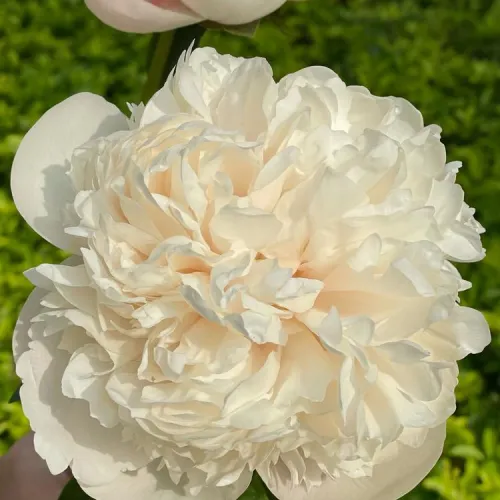
Wait a second- speaking of unique peonies, have you seen the 'Ling Hua Chen Yu' Peony? That one's a stunner with its ruffled white petals and pink accents. It's a bit more finicky than some of the older varieties, but if you follow these steps, it will reward you with blooms that look like they're hand-painted. I had a customer order one last year, and she sent me a photo this spring- it's already got three buds, and it's only its second year. That made all the care talks worth it.
Let me wrap this up with a few quick do's and don'ts to keep it simple: Do plant in fall, do give them sun, do water deeply but not too often. Don't bury the crown too deep, don't over-fertilize young plants, don't skip cleaning up debris in fall.
If you're ready to add some herbaceous peony seedlings to your garden, or want to learn more about our different varieties (like that Peony Colonel Owen Cousins with its deep crimson blooms), get in touch with our team today to talk about ordering. We're here to help you pick the right peonies for your space and make sure they thrive. Whether you're a beginner or a seasoned gardener, there's nothing quite like watching a peony seedling grow into a plant that gives you years of gorgeous flowers.


